Ceramic and porcelain tiles for walls and floors
The tile families
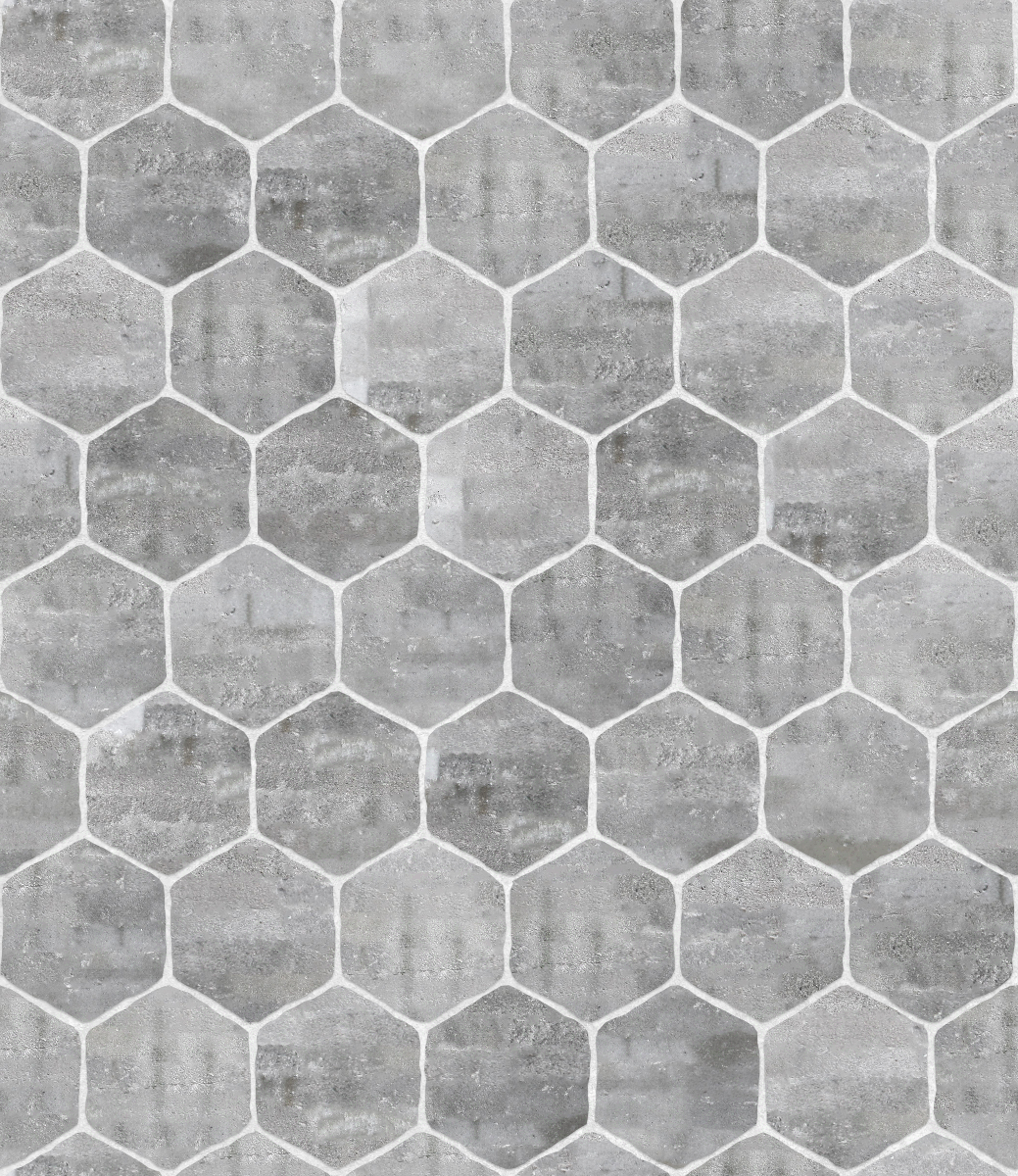
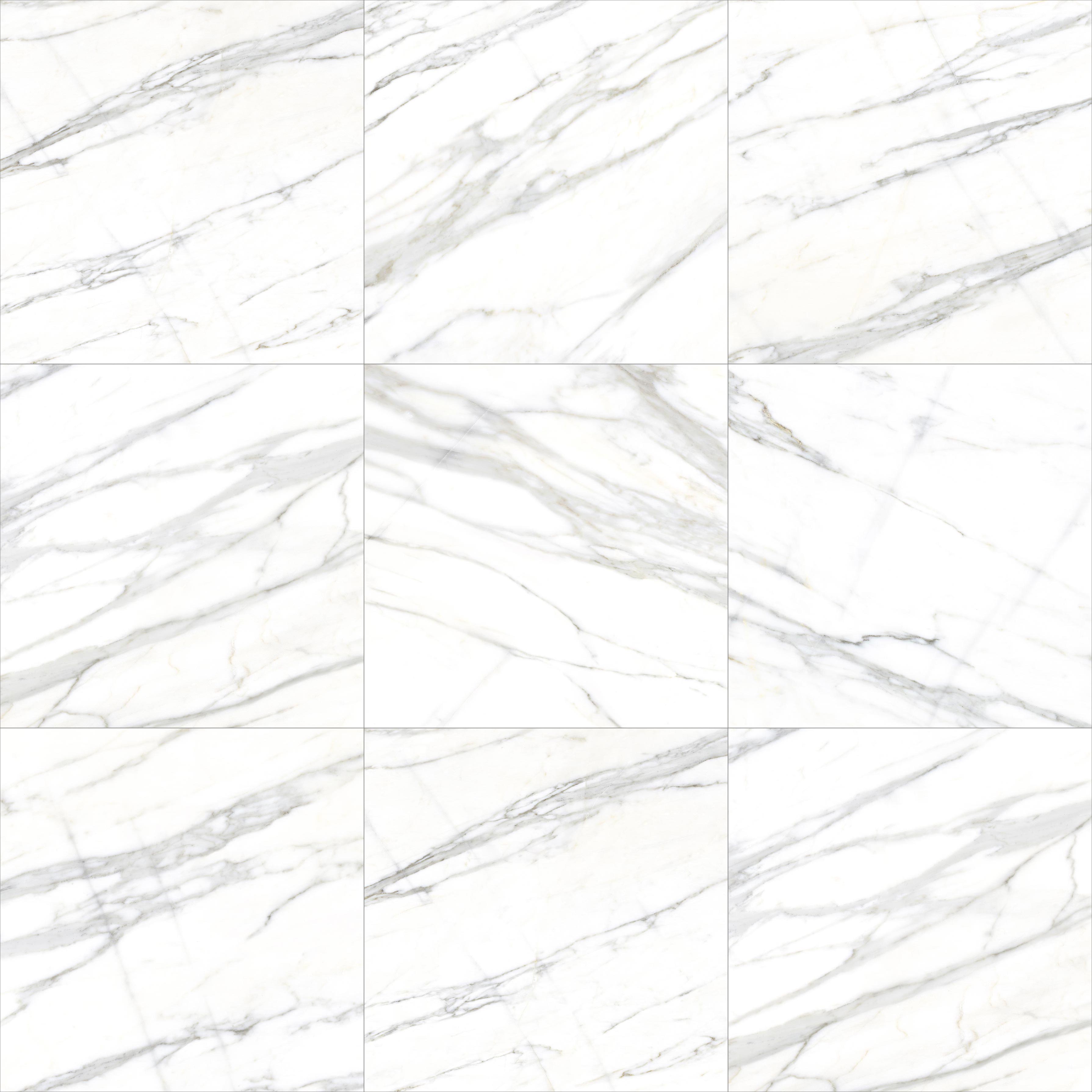
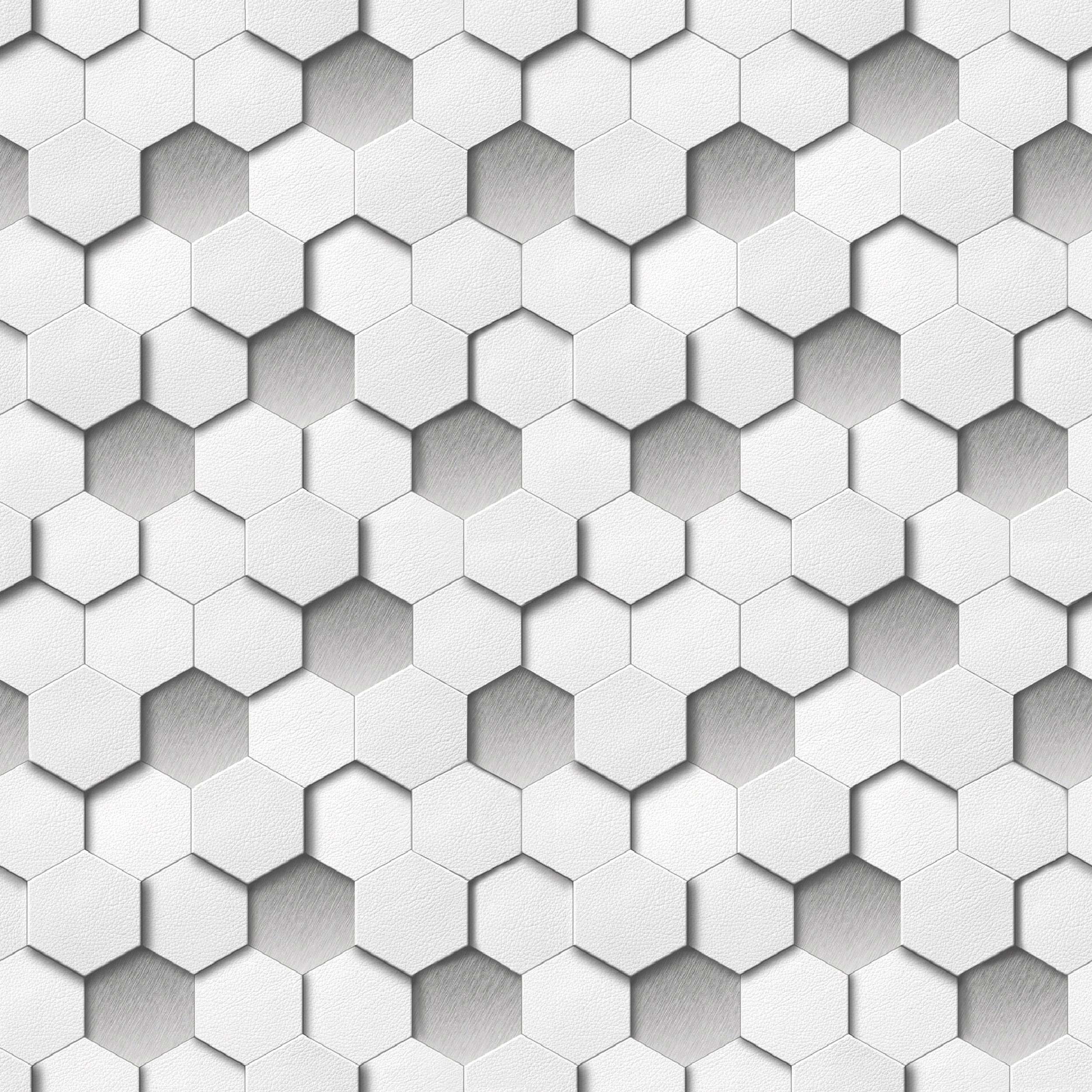
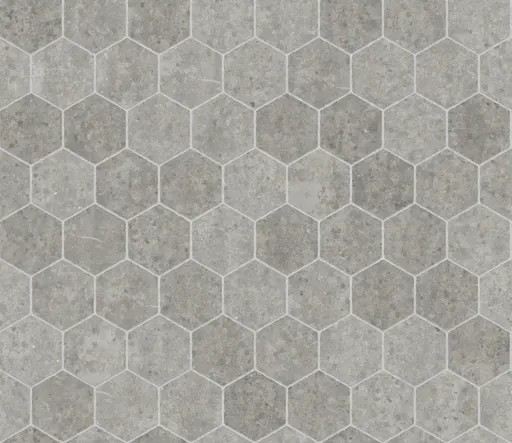
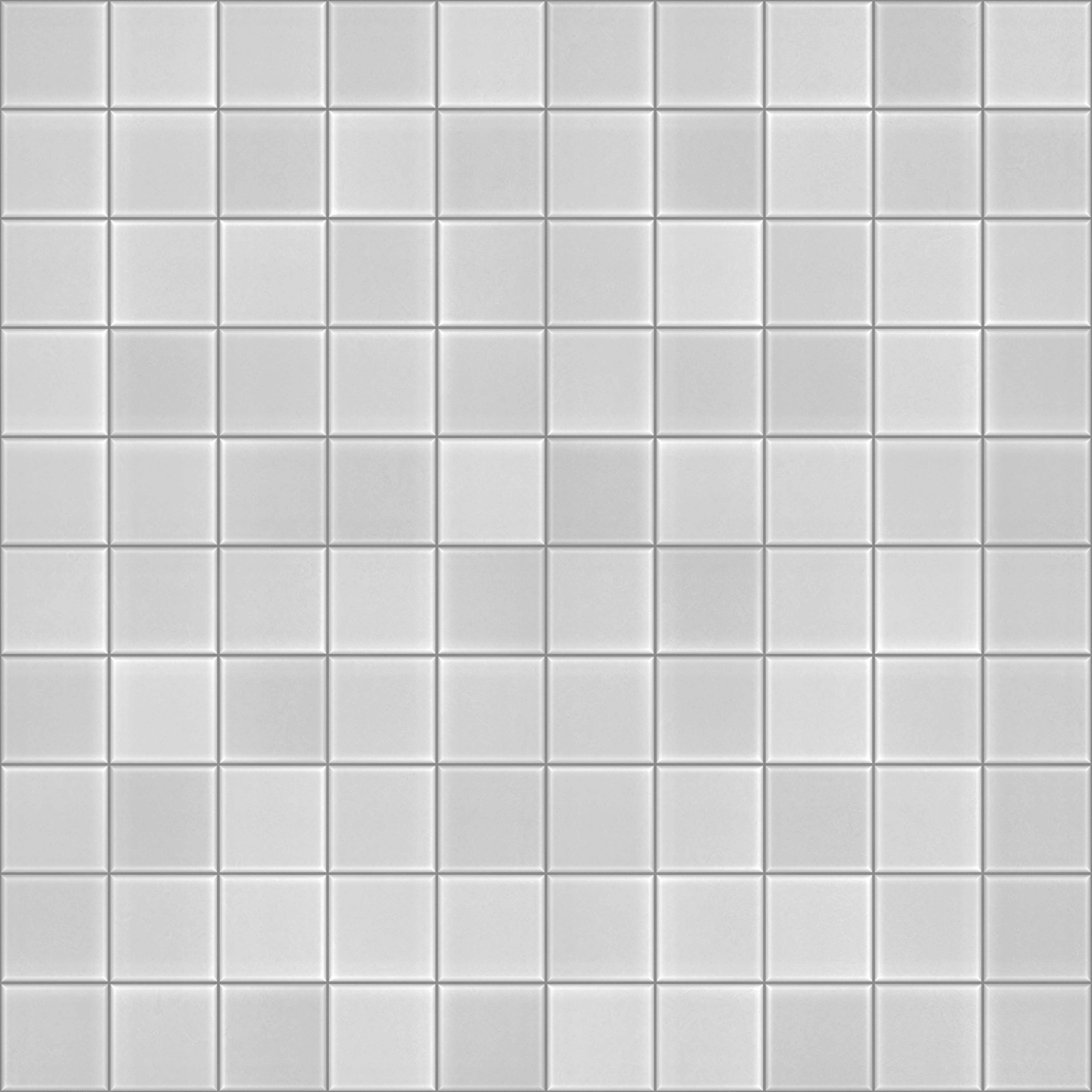
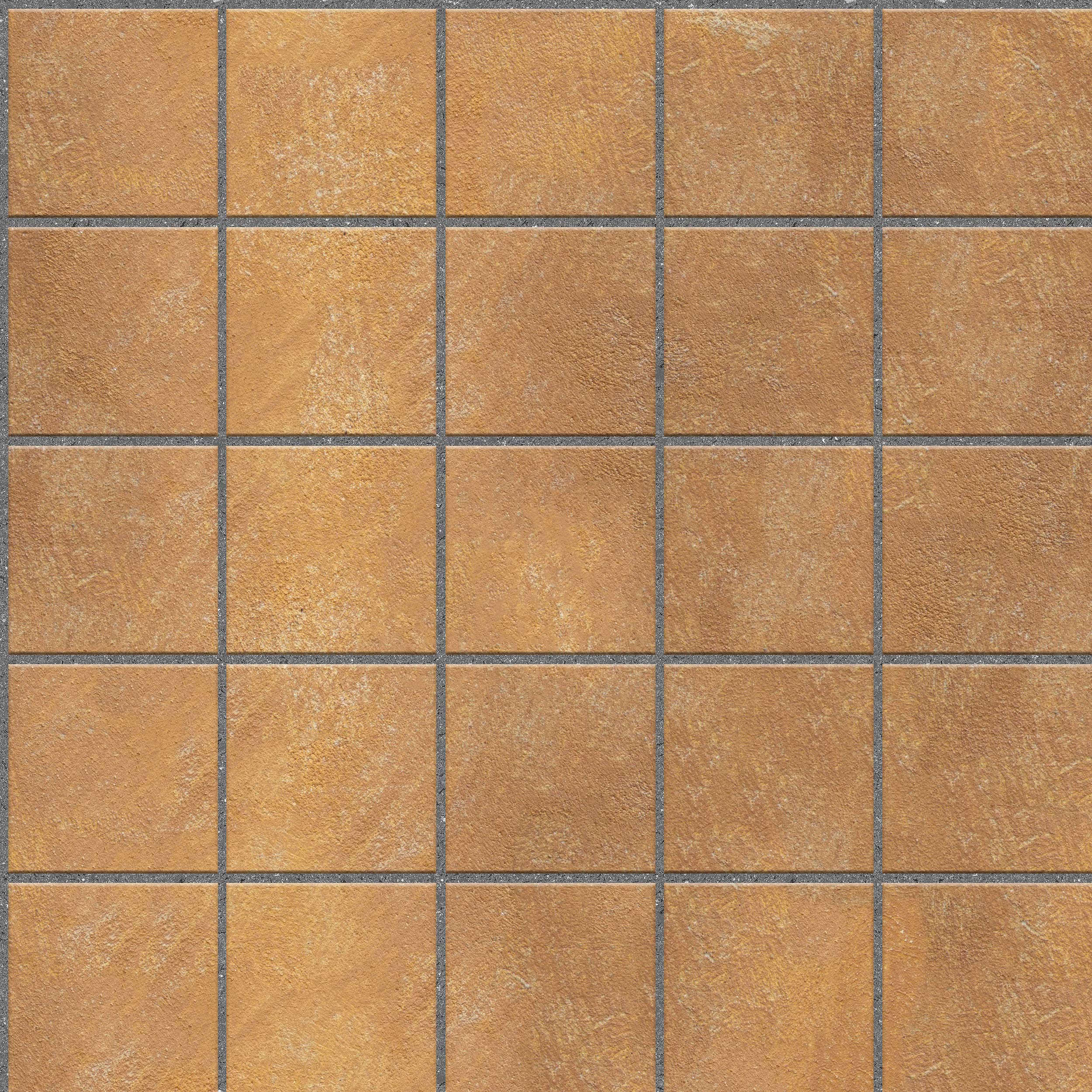
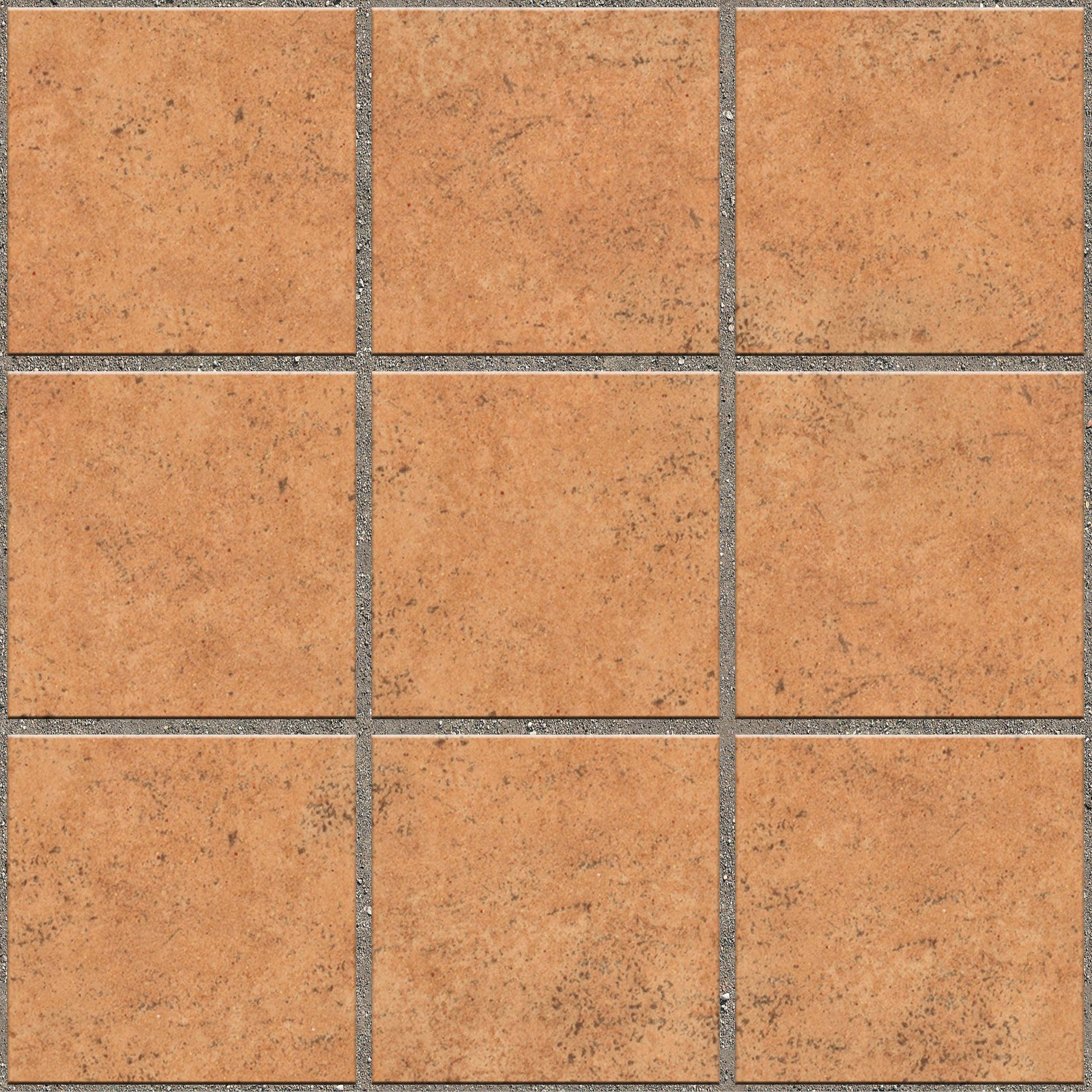
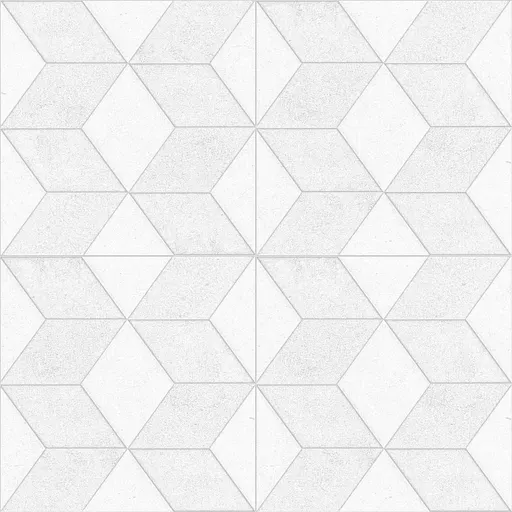
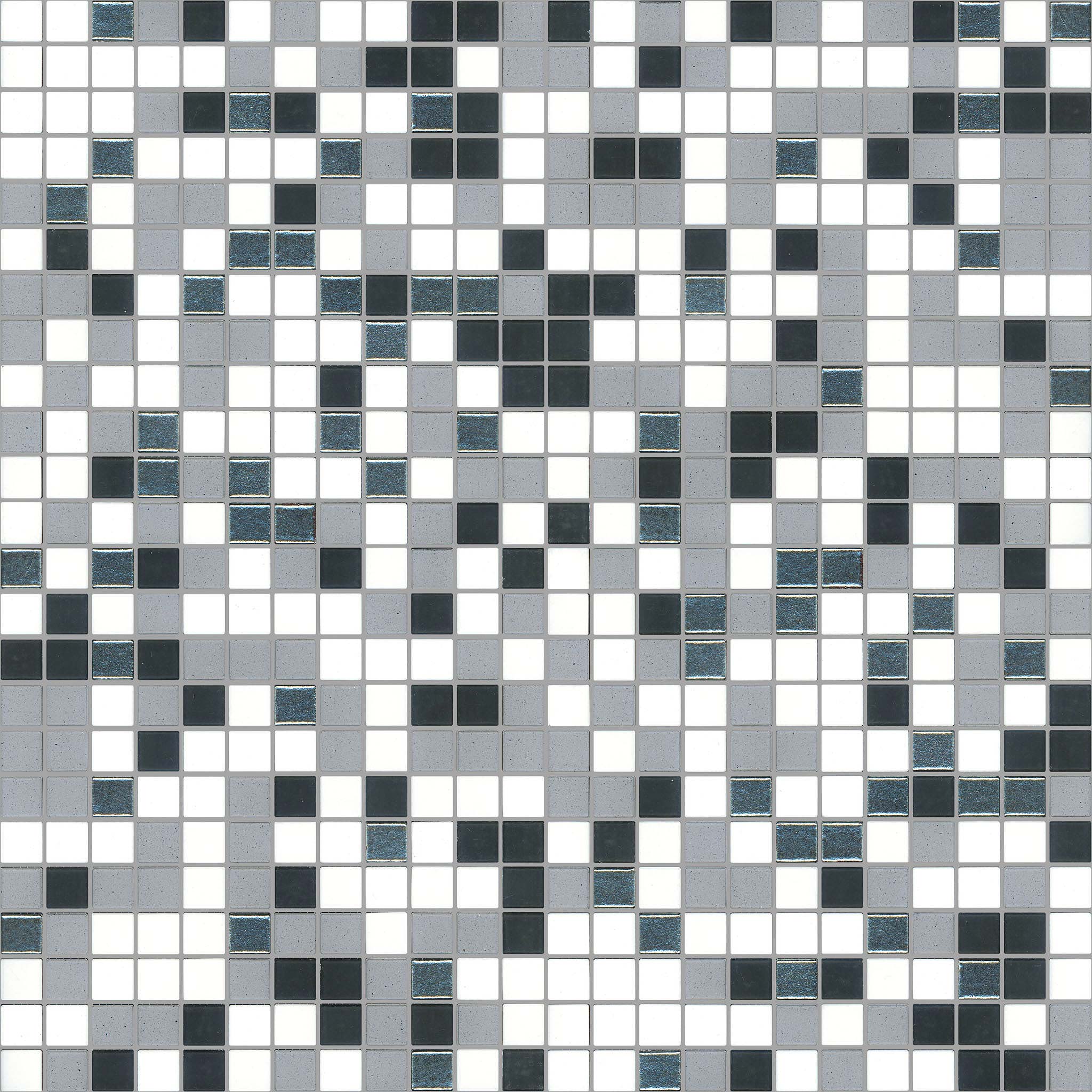
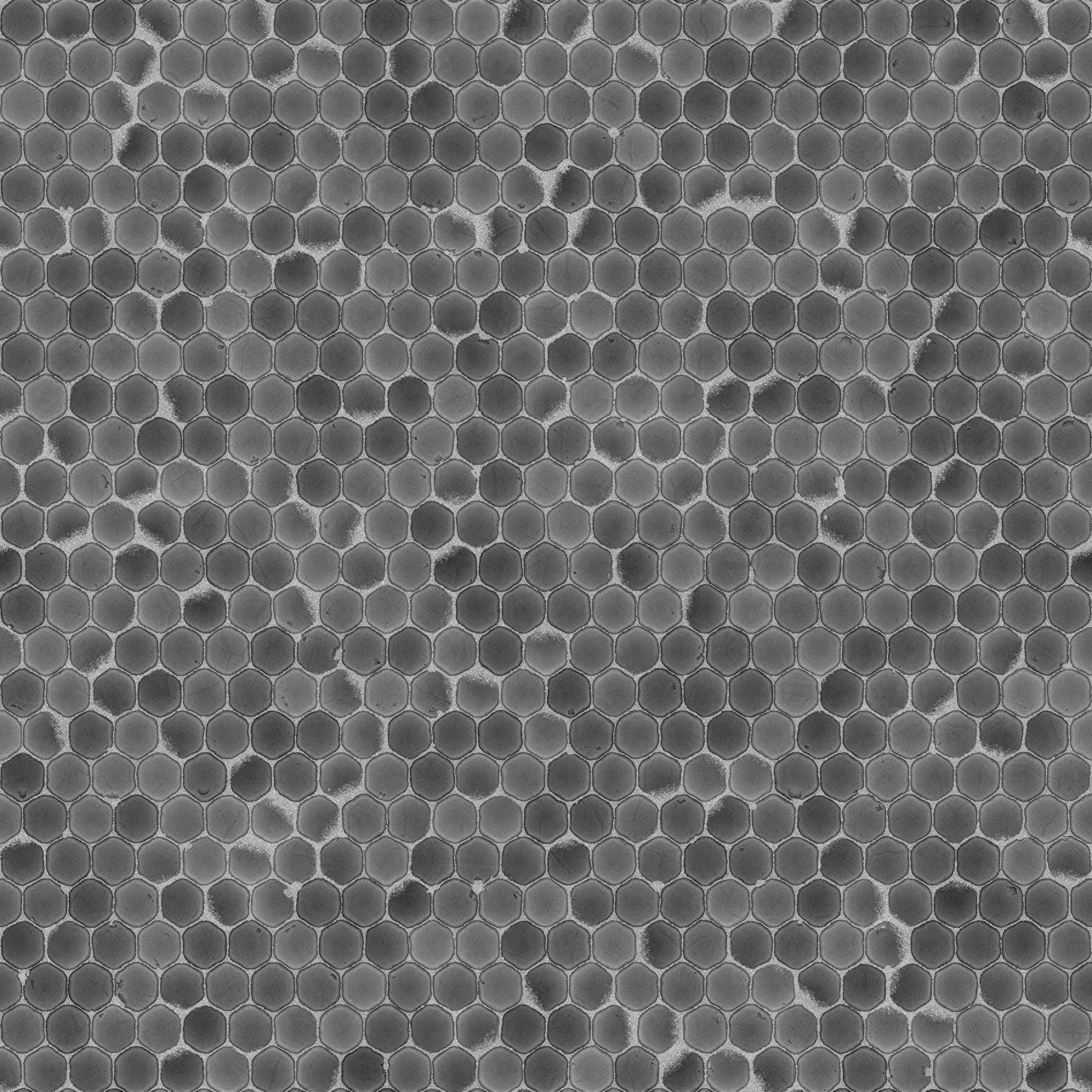
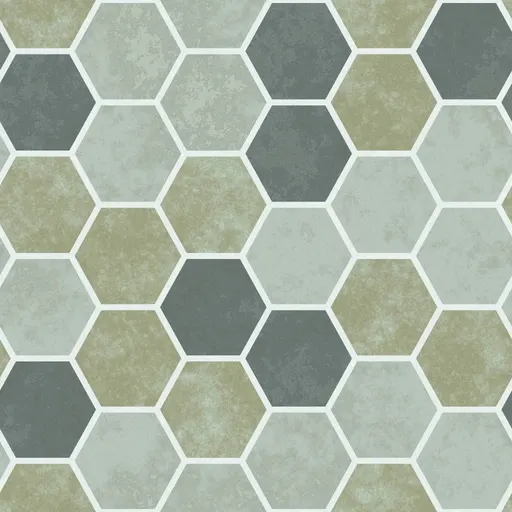
Glossy ceramic — reflective and bright; classic on interior walls. Matte porcelain — the workhorse: larger formats, muted colours, floors and façades. Metro / subway tiles — small bricks with staggered joints. Mosaics — small squares and hexagons with lively chips. Terracotta — warm unglazed reds and oranges. Hexagon and geometric patterns — feature floors and feature walls.
Grout and format decide the read
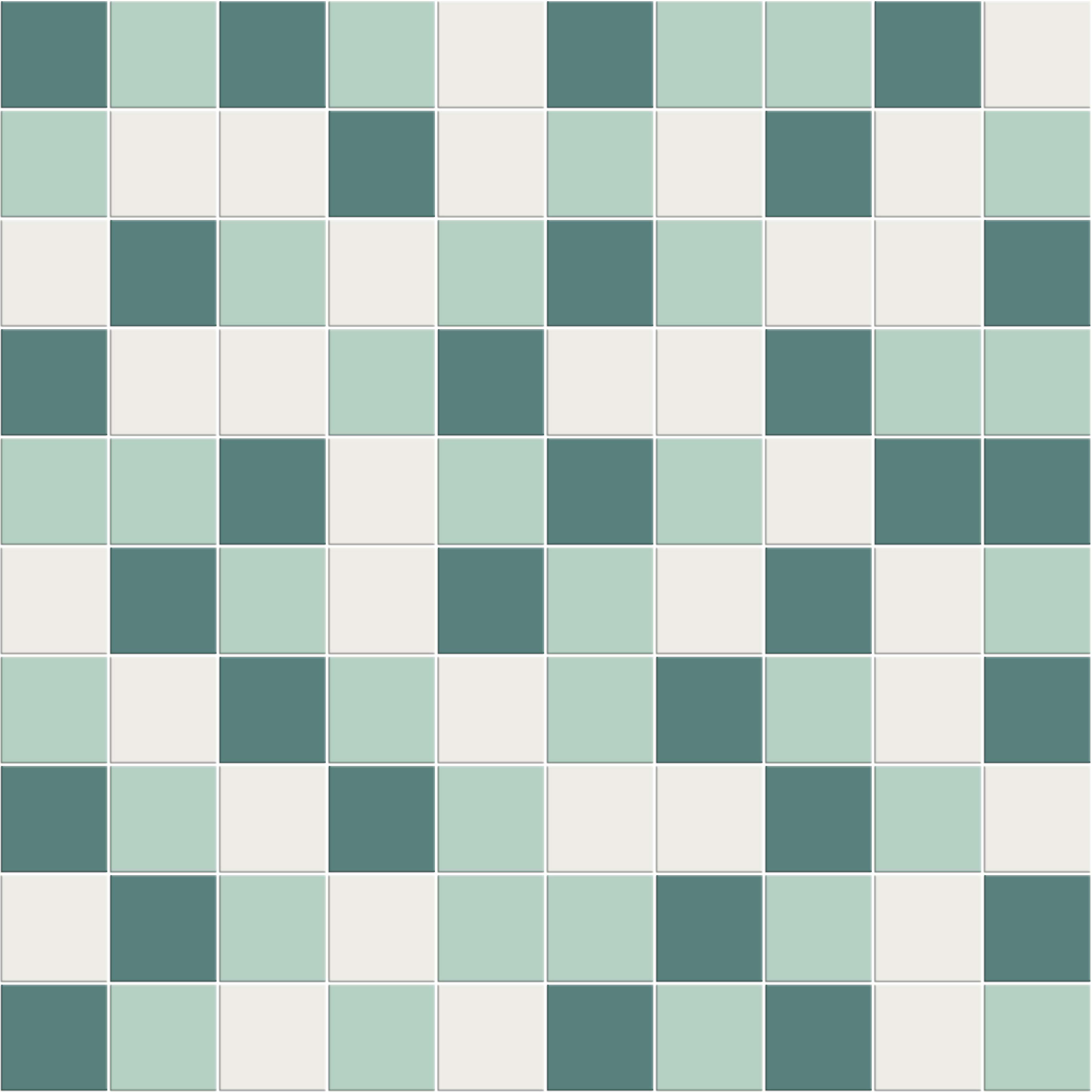
A 300 × 600 mm tile with a 3 mm joint reads very differently from 100 × 100 mm with a 2 mm joint — the grid frequency is what the eye catches first. Every texture page lists its measured repetition size so you can match the real format; the repeat preview shows the grout as it will tile.
Keeping large grids believable
When a tile wall runs across several metres, keep the repetition size true and let the grout lines land slightly off-axis to the camera if your reference shows it — perfectly axis-aligned grids look generated. See the scale guide for the mapping recipe.
Frequently asked questions
Are these tile textures free for commercial use?
Yes — every texture on 360into is free for personal and commercial use, with no attribution required.
Are the textures seamless / tileable?
Most are designed to tile without a visible seam; each page shows a repeat preview so you can inspect the grout lines.
How do I match a real tile format?
Read the measured repetition size on the texture page — it tells you what the pattern covers in centimetres before it repeats.
Ceramic or porcelain for exteriors?
Porcelain is the dense, exterior-grade family; for visualisation the two read similarly until finish and format start to differ.