Acoustic panels and fabric wall finishes
The surfaces behind acoustic walls
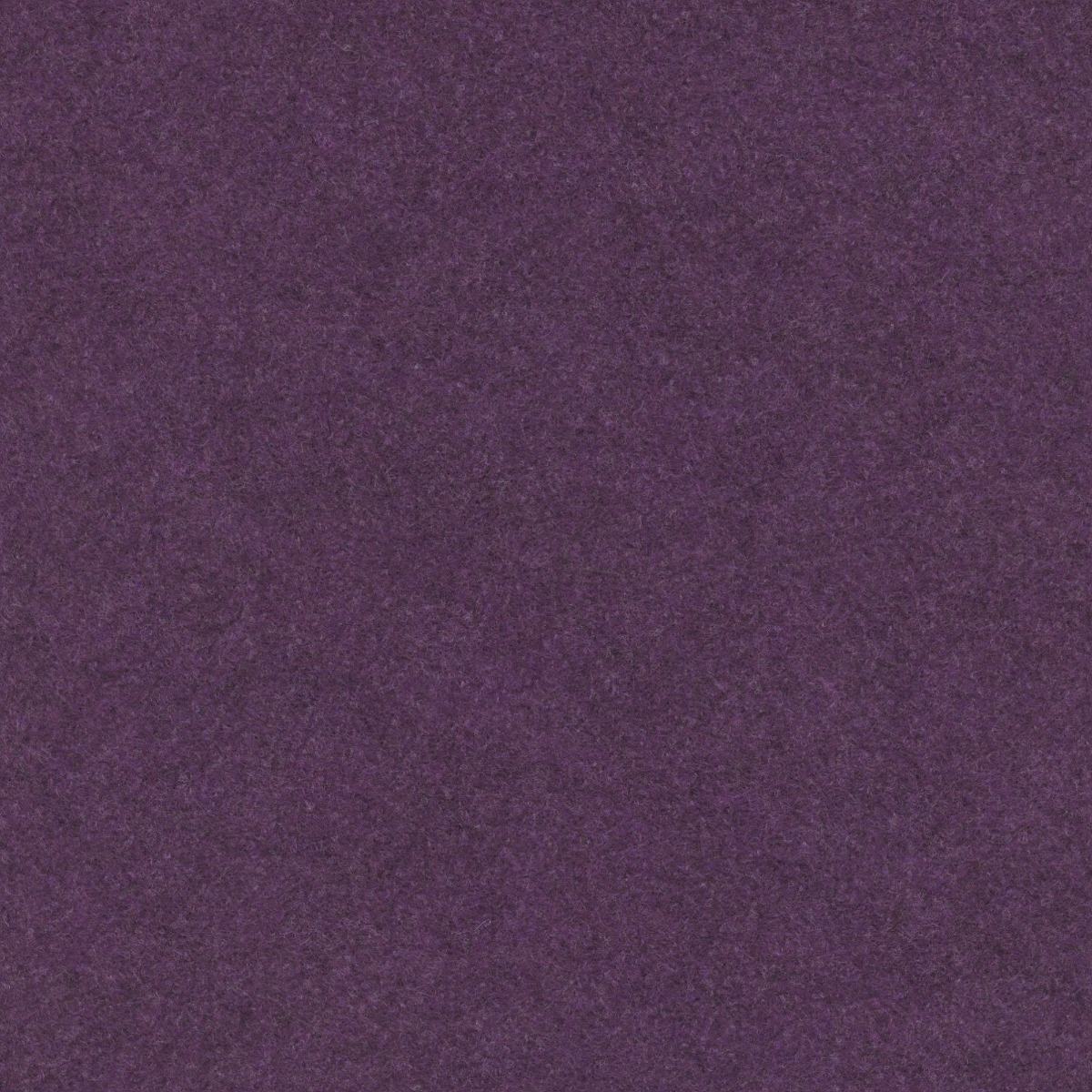
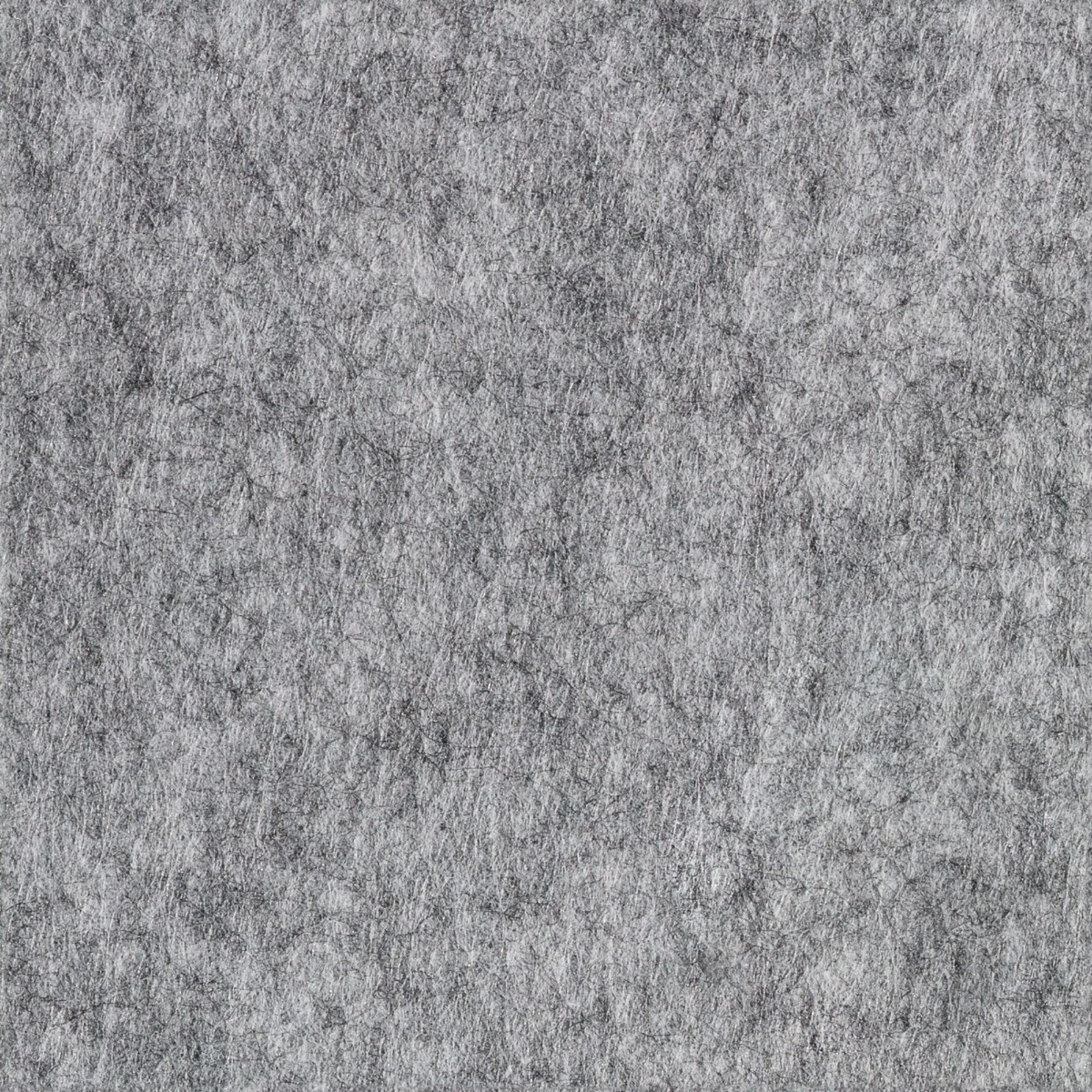
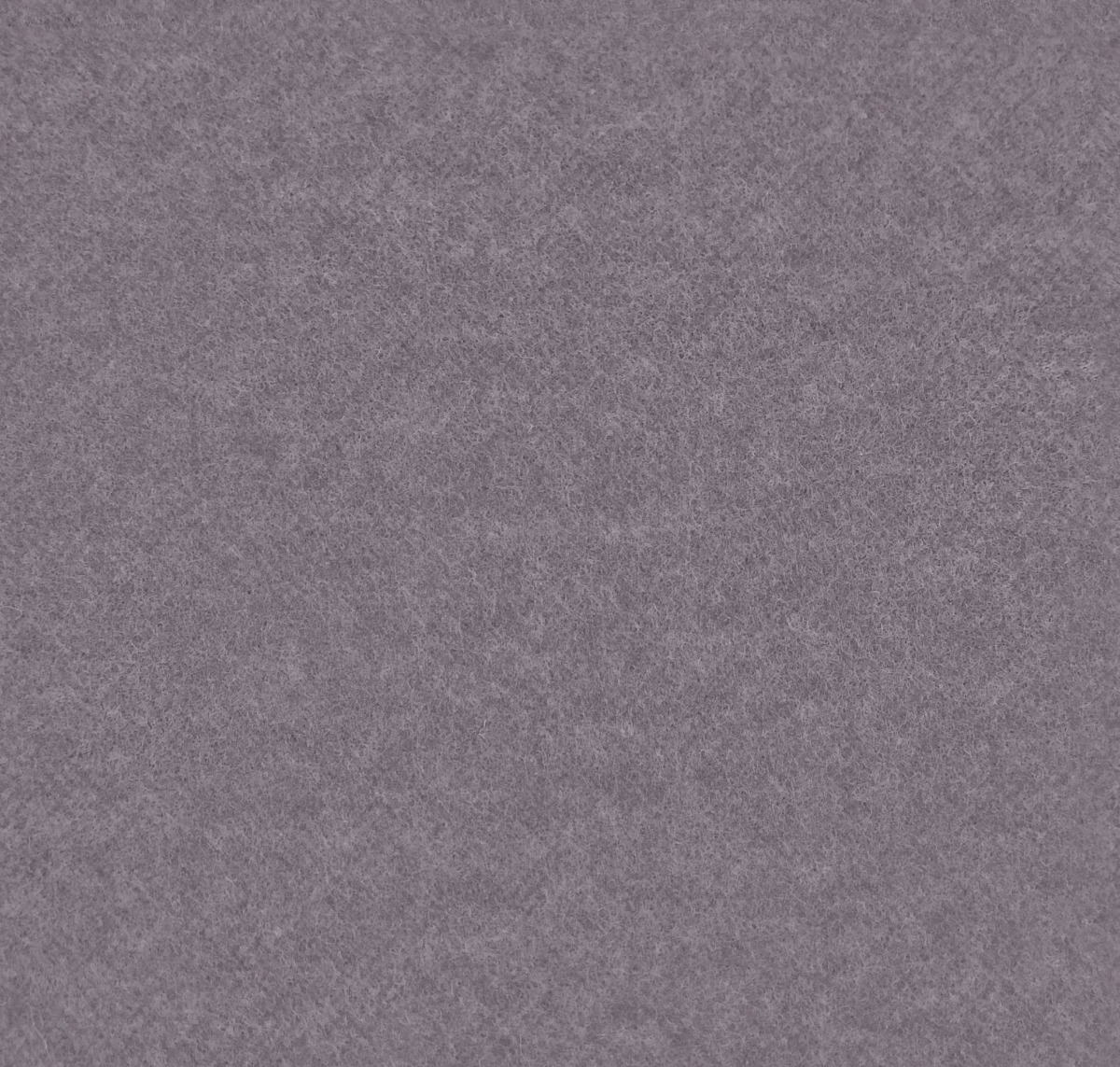
Fabric-wrapped panels and tiles — felt (wool or PET) and tight technical weaves stretched over absorptive cores. Perforated and microperforated wood panels — the premium look, where the holes do the acoustics and the timber does the design. In the library they appear as their visible surfaces: felt, bouclé, tight weaves and perforated panels.
A quick weave glossary
Bouclé — looped, nubby yarn with a soft shadow. Corduroy — vertical ribs that catch light in stripes. Linen — a plain weave with natural slubs. Technical fabric — dense, uniform, made for panels and screens. Coarse weaves read closer and softer; fine weaves read flatter and calmer at distance.
Scale and direction
Textiles read through weave scale and direction: hanging a weave at 90° changes the whole wall, and an under-scaled weave looks like noise. Keep the repetition size true — the scale guide has the mapping recipe — and keep the direction consistent across a plane.


Frequently asked questions
Are these fabric textures free for commercial use?
Yes — every texture on 360into is free for personal and commercial use, with no attribution required.
Do the textures model sound absorption?
No — they represent the visible surface. Absorption is a property of the physical panel system; for visualisation, the look is what matters.
Are the textures seamless / tileable?
Most are designed to tile without a visible seam; each page shows a repeat preview at the texture’s measured repetition size.
Which weave for large walls?
Coarse weaves and felt read well at distance and hide tiling; very fine weaves can shimmer when repeated too small — scale them true.