Stone cladding: limestone, travertine, sandstone and slate
The stone families in the library
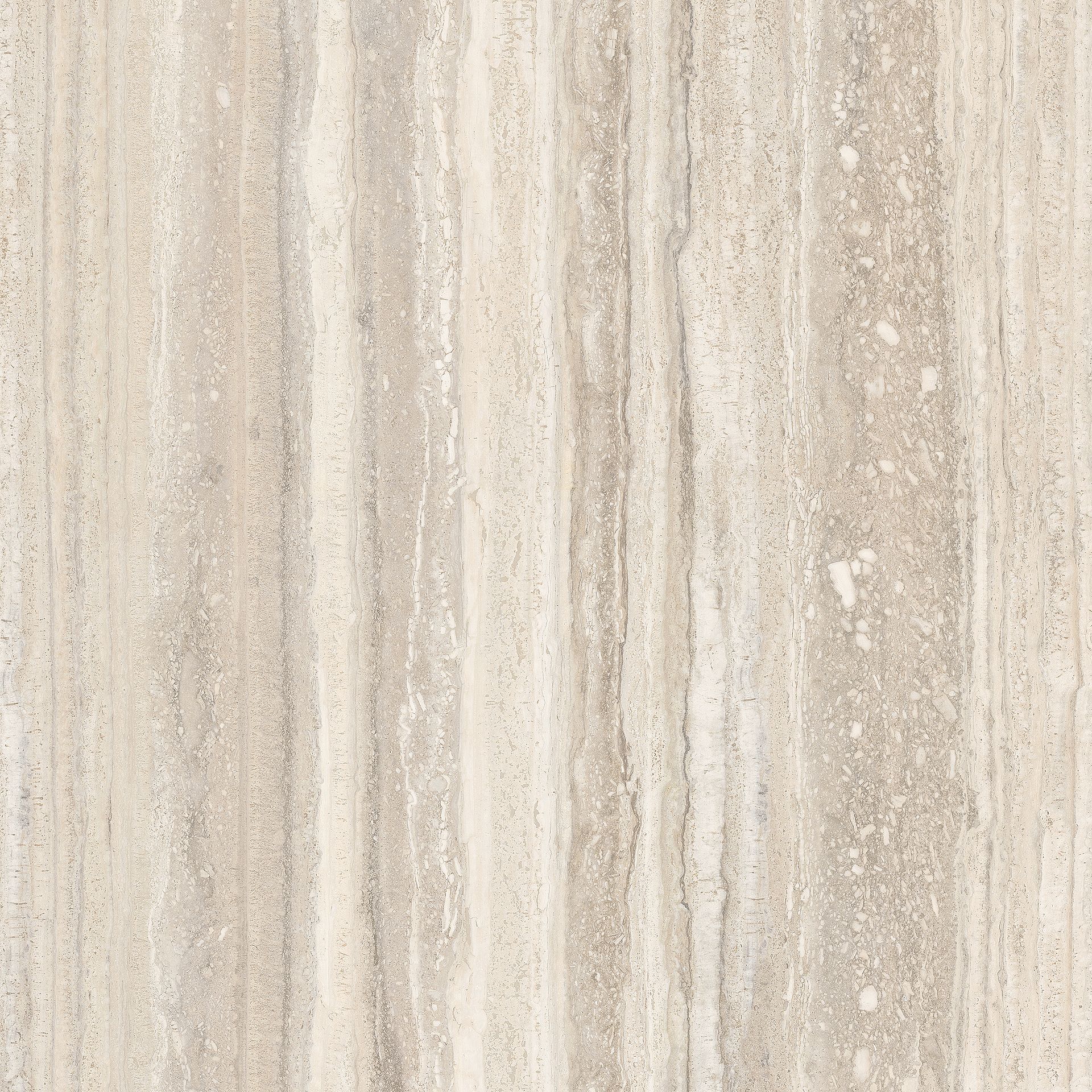
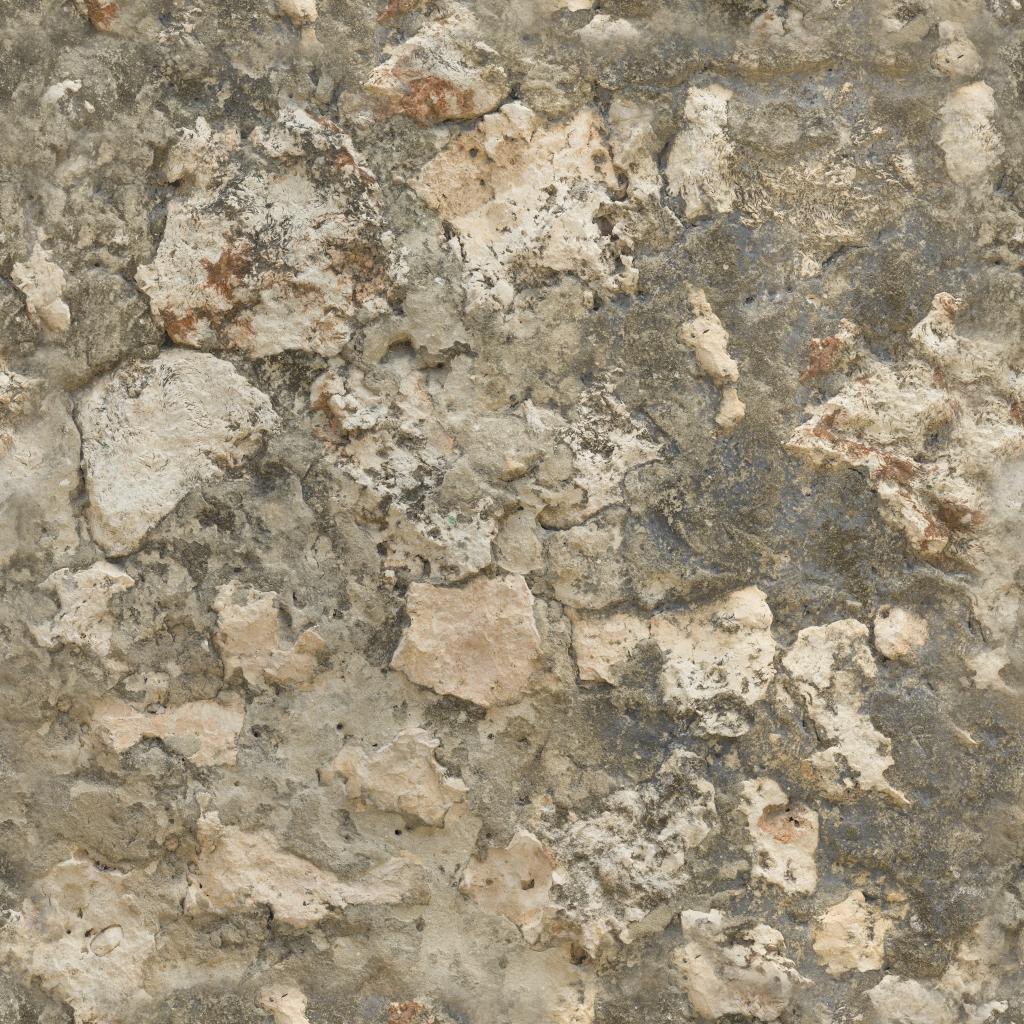
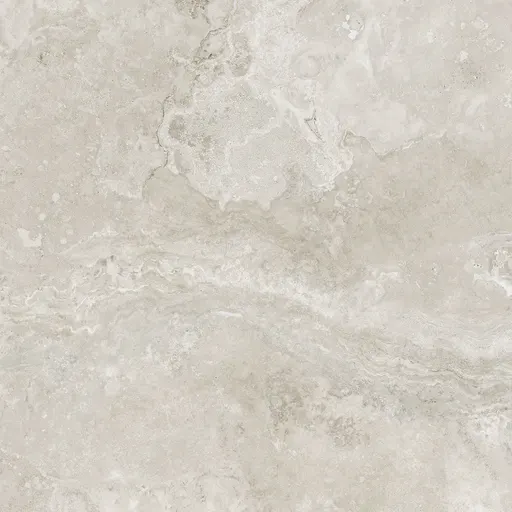
Limestone — soft and uniform, beige to grey; the calm default for façades and walls. Travertine — banded and pitted, warmer in tone, usually honed or tumbled. Sandstone — grainy and warm, from pale buff to red. Slate — dark, cleft and riven, laid in thin courses. Granite and quartzite — speckled and hard, polished or flamed.
Marble veined and dramatic, is covered under feature walls; for cladding it usually appears as large-format slabs with fine joints.
Finishes change everything
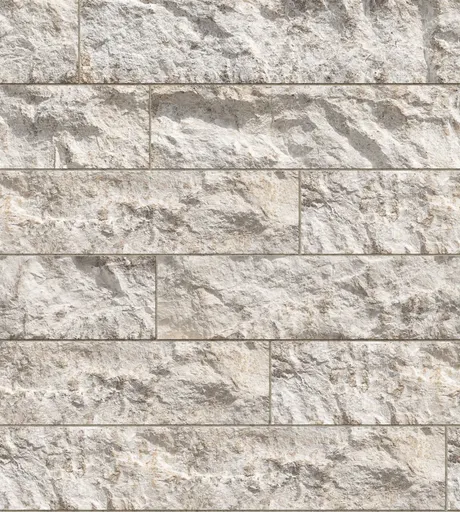
A honed finish reads matte and even; a polished surface picks up reflections — that response is set in your renderer, the texture carries the pattern. Tumbled edges soften runs and suit traditional walls; split-face stone has a ragged, deep-relief surface and is the look behind stacked-stone cladding.
Cladding formats
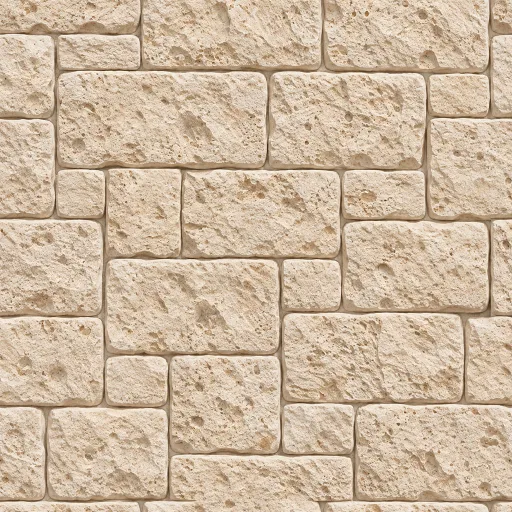
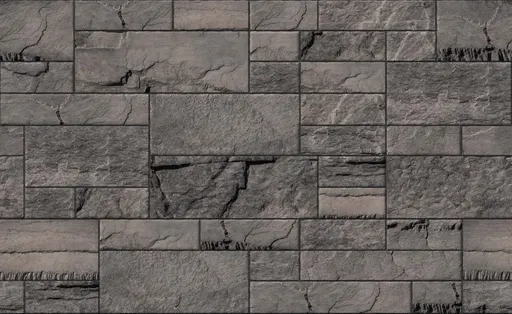
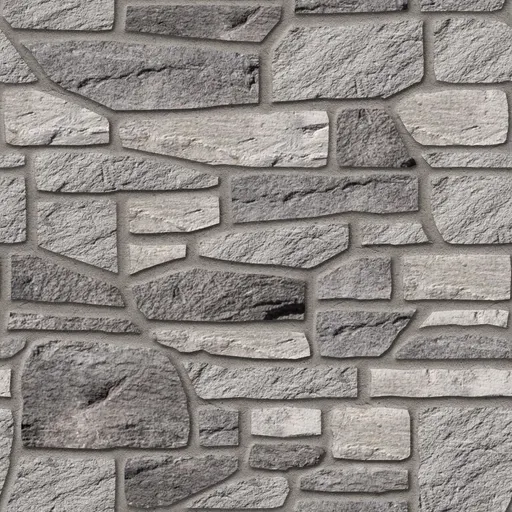
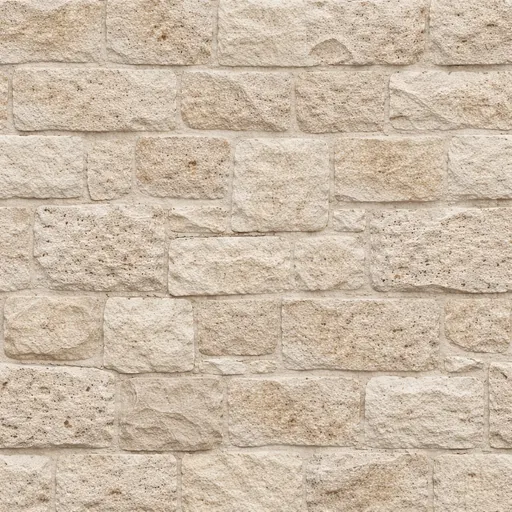
Ashlar — coursed rectangular blocks with tight joints, the classic façade pattern. Random rubble — irregular stones and wider joints for rustic walls. Stacked ledge — split-face strips in narrow rows, often used as a feature band. Large-format panels — slabs with fine joints for modern elevations.
Every pattern in the library carries its measured repetition size — see the scale guide — so courses and blocks come out at believable dimensions.

Frequently asked questions
Are these stone textures free for commercial use?
Yes — every texture on 360into is free for personal and commercial use, with no attribution required.
Which stone suits exterior façades?
All the main families appear on exteriors somewhere in the world; the choice is climate, finish and jointing. For visualisation, pick by look and check the measured scale.
Are the textures seamless / tileable?
Most are designed to tile without a visible seam; each page shows a repeat preview so you can inspect the edges before you download.
Can I mix stone formats on one façade?
One format per plane is the safe rule. Feature bands of stacked ledge over an ashlar field is the classic exception — keep the joint lines consistent.