Brick cladding: bonds, sizes and free seamless textures
The bonds you will actually use
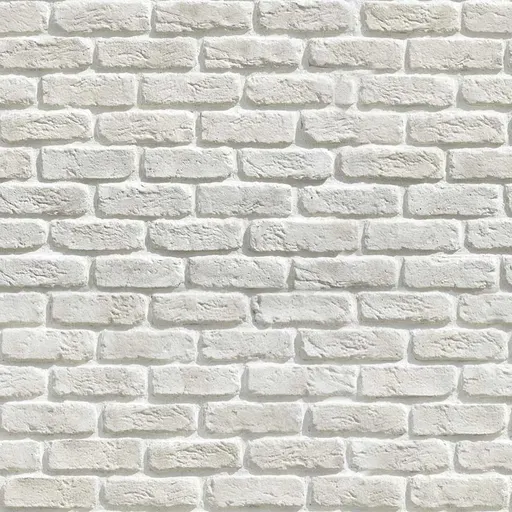
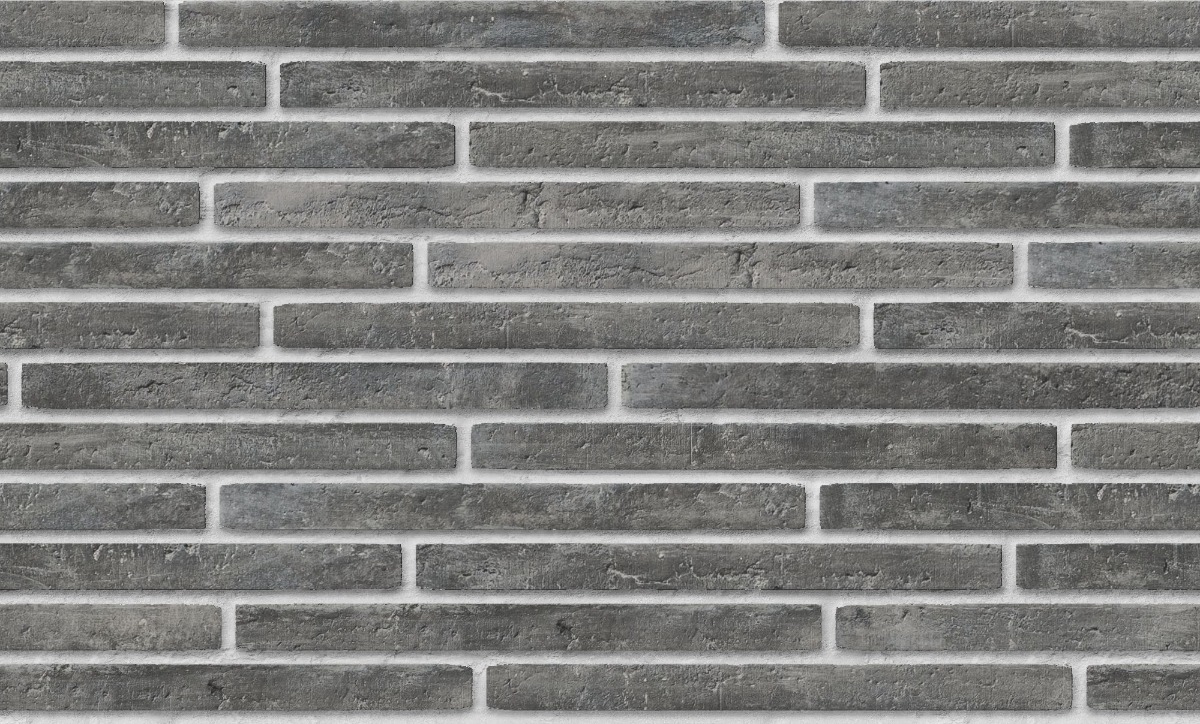
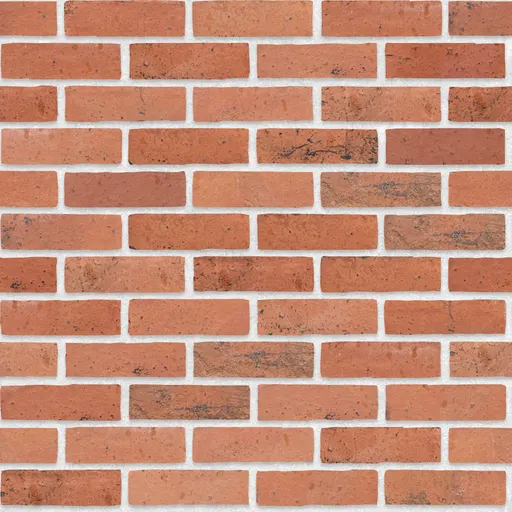
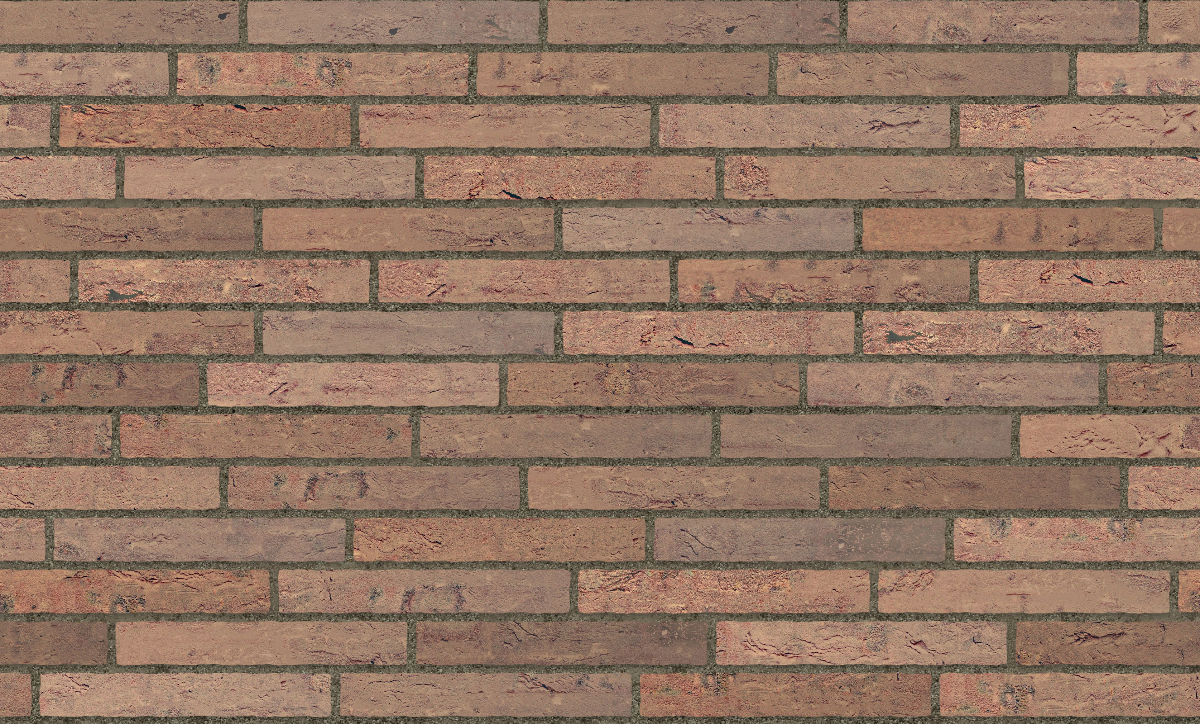
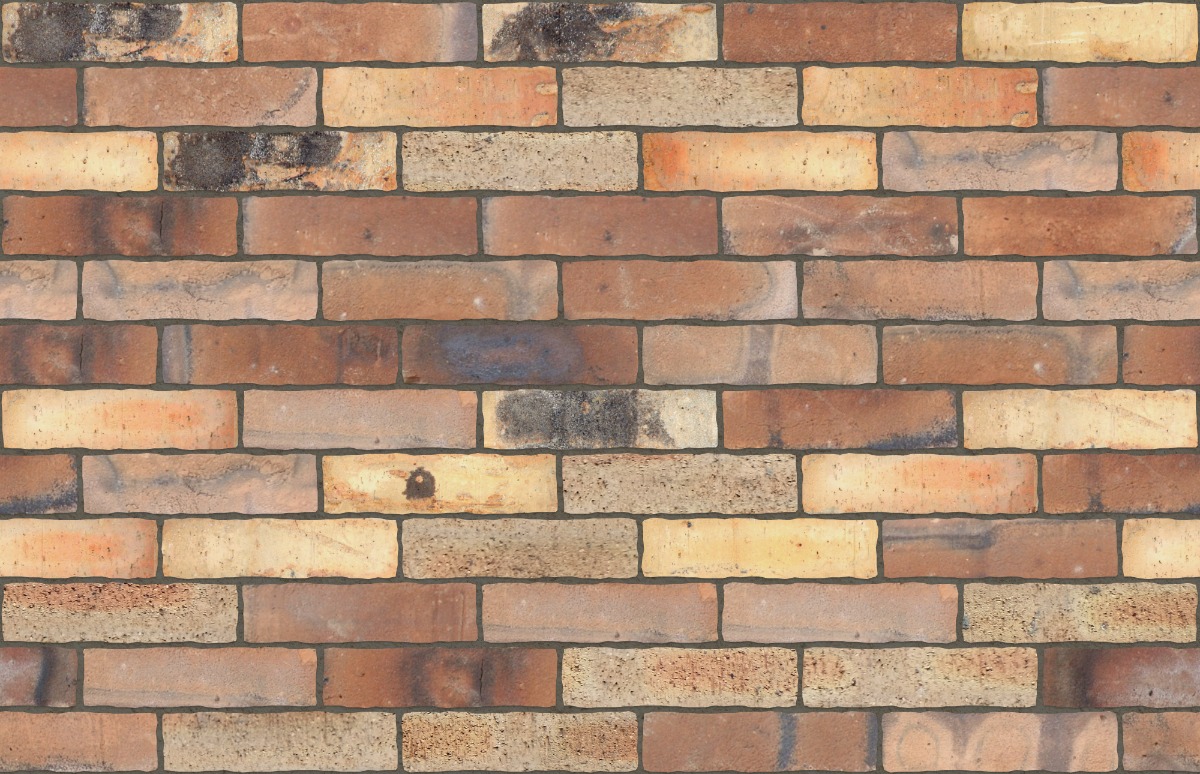
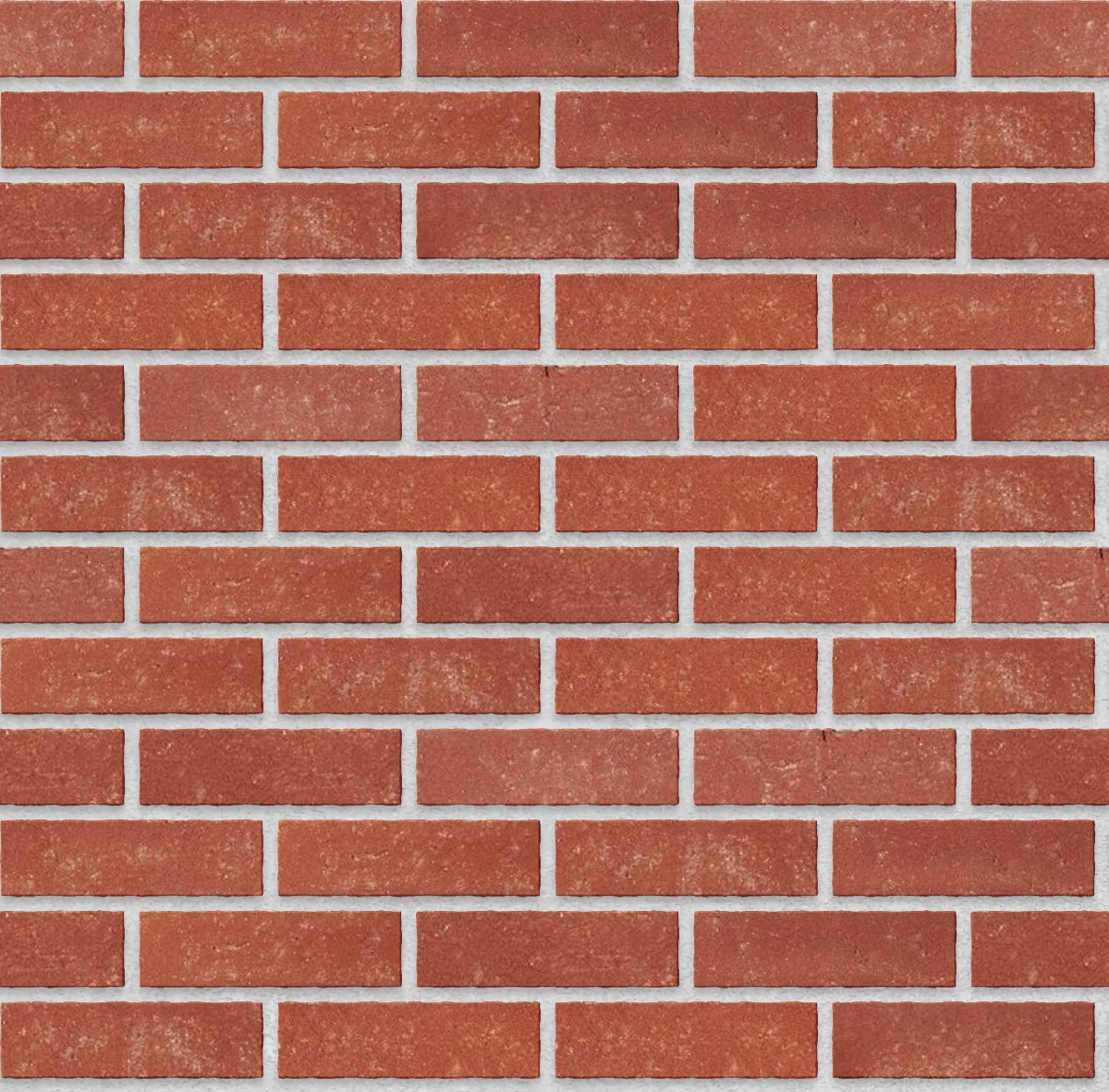
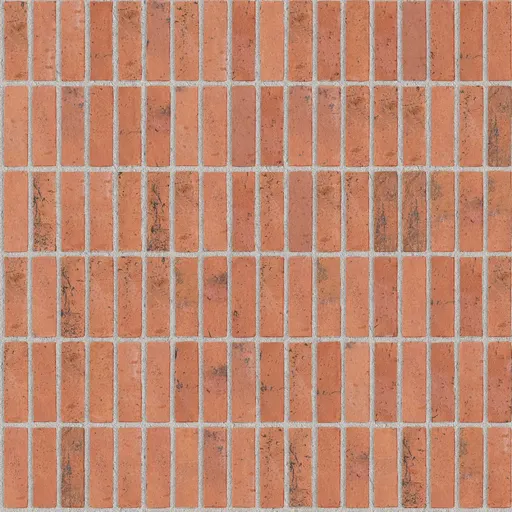
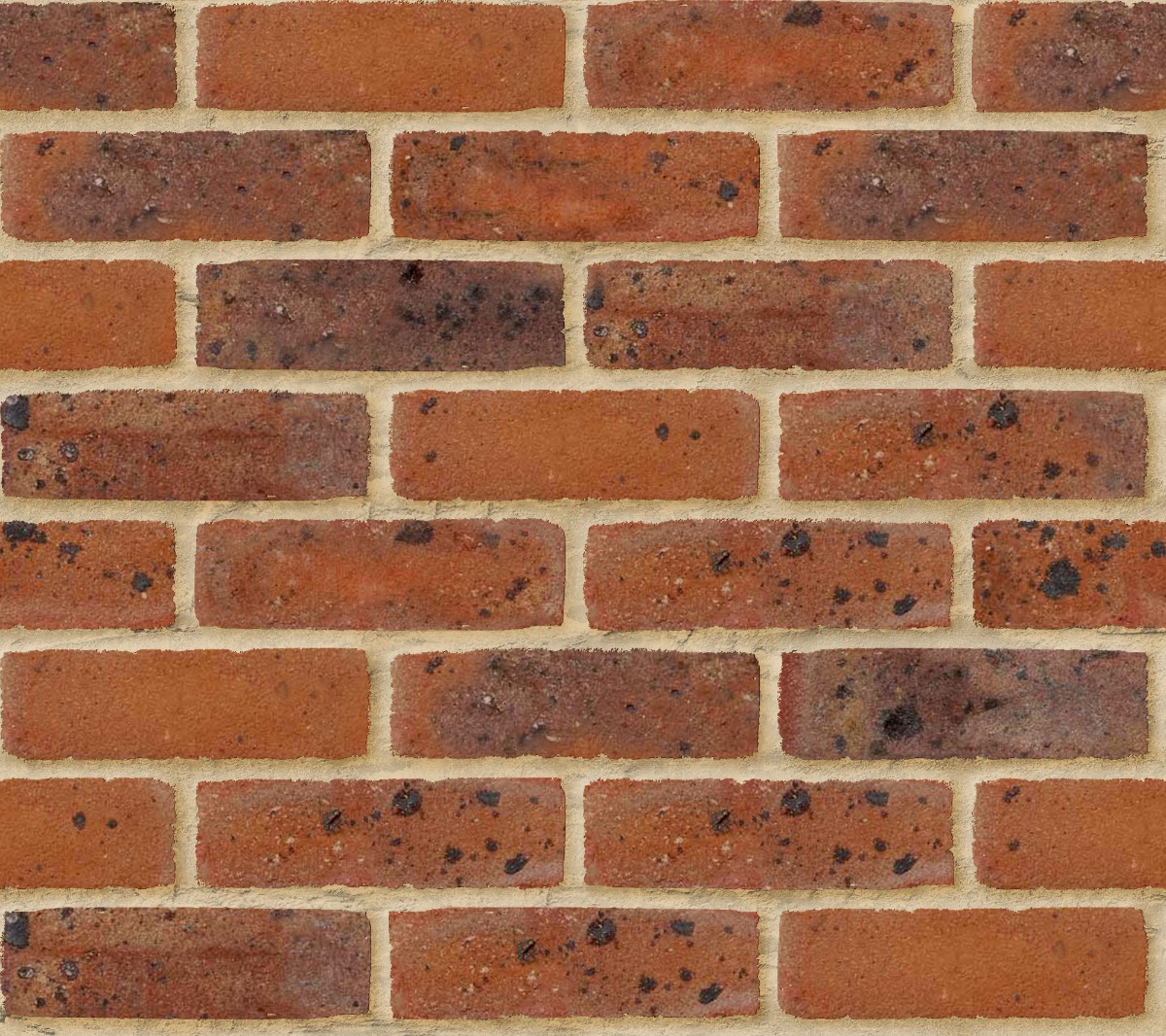
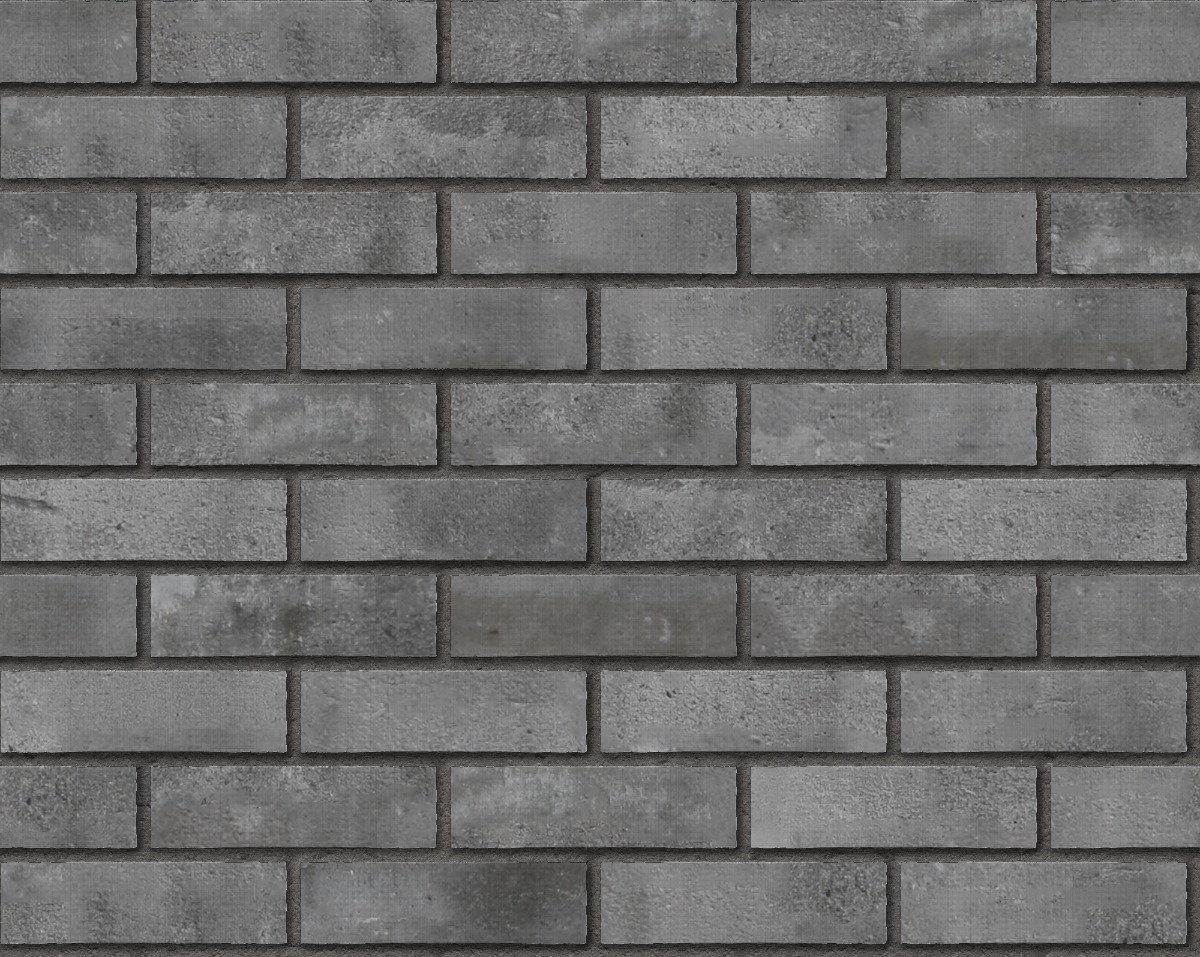
Running bond (also called stretcher bond) offsets every brick by half its length. It is the default on most walls and the most common pattern in the library. Stack bond aligns bricks in a strict grid — the modern look. Flemish bond alternates headers and stretchers in the same course, and English bond alternates whole courses; both read as historic and patterned.
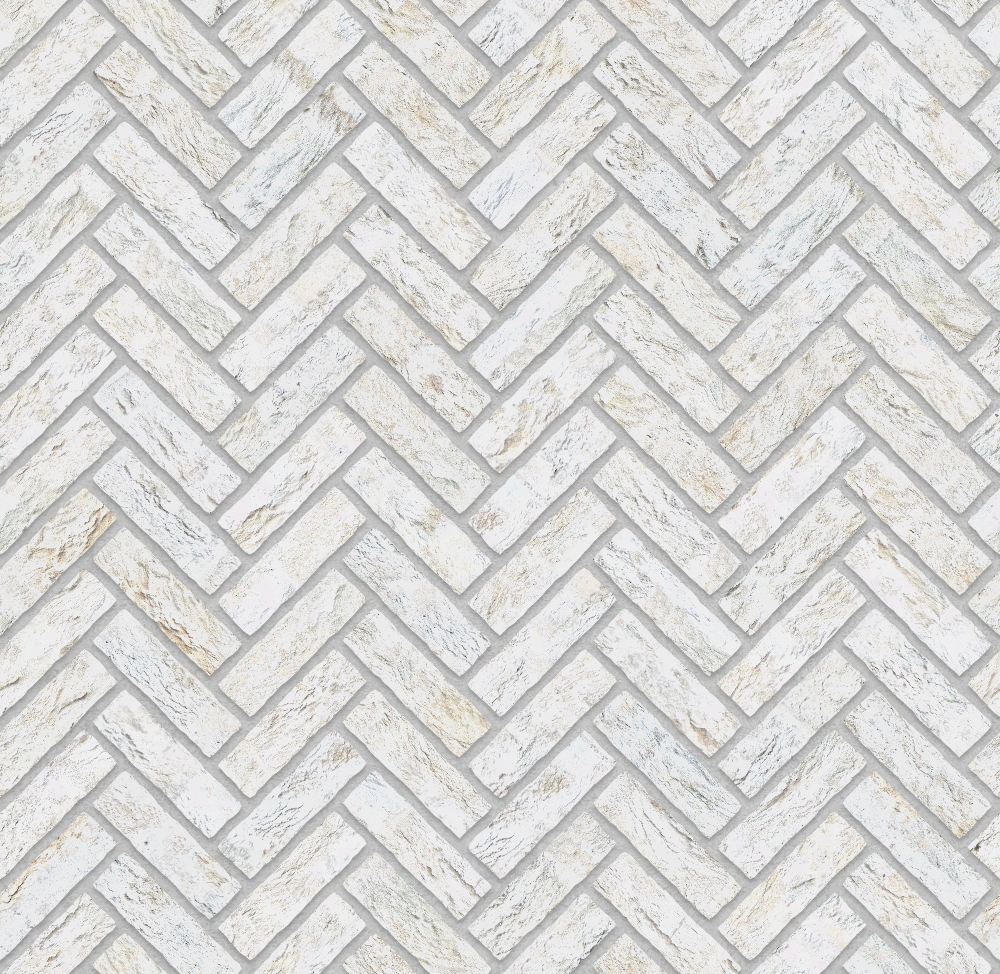
Herringbone and basketweave turn up on paving, feature panels and brick slips. Bond names vary by country — what matters visually is the offset and the joint width. Keep one bond per surface: mixing patterns reads as noise.
Brick sizes and brick slips
A standard UK/EU clay brick measures 215 × 102.5 × 65 mm, so the face you see is 215 × 65 mm; with a typical 10 mm mortar joint the repeating module is 225 × 75 mm. US modular bricks are a little shorter at roughly 194 × 57 mm on the face. Brick slips keep the brick’s face size but are cut thin (usually around 20 mm) — a cladding product for façades where depth is limited.
In renderings the face pattern is what counts; the depth only matters where a corner or an opening shows the return. Always confirm the module with your supplier or project standard — “standard” sizes differ by region.
Using brick textures at real scale
Every texture on 360into stores its measured real-world repetition size in centimetres, so you set the mapping once and get the correct number of bricks across a façade. A wall 8 m wide with a 2 m repetition covers exactly four tiles — no eyeballing, no drifting scale between views.
See the cladding sizes reference for typical modules, and the real-world scale guide for the mapping recipe in Blender, 3ds Max and game engines.

Frequently asked questions
Are these brick textures free for commercial use?
Yes — every texture on 360into is free for personal and commercial use, with no attribution required.
Are the brick textures seamless / tileable?
Most textures are designed to tile without a visible seam. Each texture page shows a repeat preview and its measured real-world repetition size.
How do I choose a bond?
Match your reference: running bond for general walls, stack bond for modern grids, Flemish or English bond for historic looks, herringbone for paving and feature panels.
Do the textures carry real construction sizes?
They are visualisation textures, not building products. Each page states the measured repetition size; confirm buildable dimensions with a manufacturer or your specifier.